
Dunwoody, GA · Garage Door Service
What Happens When a Spring Goes in Cold Weather Around Dunwoody
Dunwoody homes built mostly in the 1960s-70s run original hardware into cold snaps. Here's what actually fails first and why, from a company that works this area.
- Repairs & new doors
- Springs & openers
- Serving 7 nearby communities
What Local Conditions Do
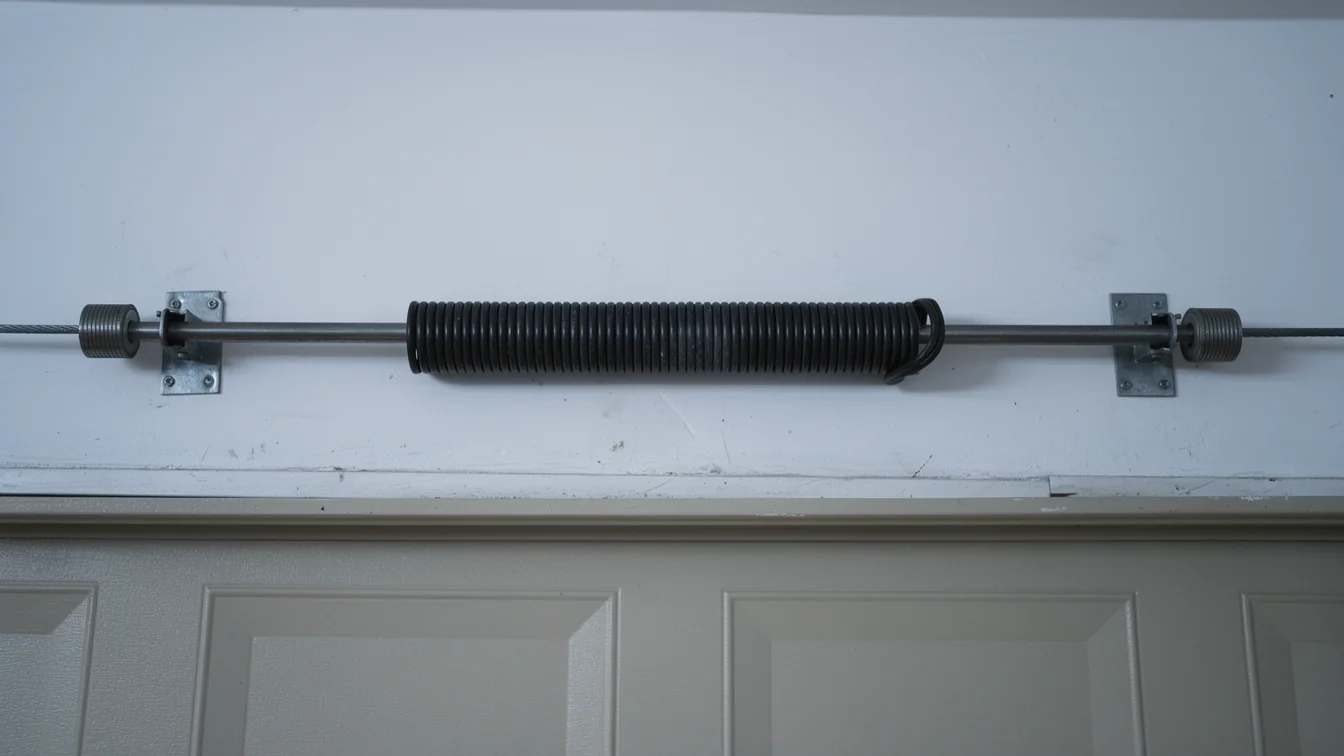
Dunwoody sits in a cold-moderate climate band, which means the big swings aren't brutal but they're frequent - the metal in your torsion spring contracts every time the temperature drops overnight and expands again by afternoon. That cycling is what fatigues steel, not any single freeze. A spring rated for a certain number of cycles loses tension a little faster when it's working through repeated contraction, and most of the housing stock here (built 1951 to 2007, with the bulk from the 1960s and '70s per F1 and F2) is old enough that the original springs have already absorbed decades of that cycling. When a cold snap hits, it's rarely the cold itself that snaps a spring - it's the spring that was already down to its last few hundred cycles, and the cold temperature just makes the steel slightly more brittle at the moment it finally lets go. That's why spring failures cluster in cold weather even though the spring itself isn't a weather part. It's a timing coincidence that happens to repeat every year.
The Situation
If your house falls into that 1960s-70s band that covers most of the 25 named areas in this service territory, there's a decent chance you're still running the torsion spring that came with the house, or a direct replacement nobody upgraded when they swapped it. Thirty, forty, fifty years of door cycles is a lot of wear on one piece of wound steel, and nobody checks spring tension until the door won't open. In the cold-moderate band Dunwoody sits in, you get enough freeze-thaw swings each winter to matter but not so many that people think to plan for it. So the spring that was due to go anyway picks a 28-degree morning in January to do it, and the owner assumes the cold broke it. It didn't. The cold just picked the day.
Where People Go Wrong
The most common mistake is lubricating the spring itself in cold weather and calling it maintenance. A dry spring is a noisy spring, but oil doesn't restore lost tension or add back cycles. The second mistake is assuming a newer house is safe from this - with housing here spanning 1951 through 2007, a lot of owners in the newer end of that range figure their door is too young to worry about, but a spring installed in 2007 has still had roughly two decades of daily cycling by now. The third mistake, and the one that costs the most, is trying to adjust spring tension yourself. A torsion spring under load that lets go while someone's hand is on the bar can break fingers or worse. I won't walk anyone through that over the phone, and any company that will is telling you what you want to hear, not what's safe.
What to Look At First
Before you assume the worst, look at how the door moves on a cold morning compared to a mild afternoon. A door that's noticeably harder to lift by hand in the cold, or an opener that strains and reverses, is telling you the spring has less tension than the door needs - that gap gets more obvious as temperatures drop. Check the date or wear on the spring if it's visible, and if your house falls in that 1960s-70s cluster that makes up most of this area's stock, treat an untouched original spring as overdue regardless of how it looks. One honest limit here: if the spring's already broken, don't keep running the opener to try to force the door - that strains the opener motor and can bend the track, turning a spring job into a bigger one.
Frequently asked questions
Does cold weather actually cause springs to break, or just reveal it?
Mostly reveal it. Cold makes steel slightly more brittle at the exact moment a spring is already near the end of its cycle life, so failures cluster in winter. The real cause is years of daily cycling, which matters more in a house with the original hardware from the 1960s or '70s.
My house was built in the 2000s - does this still apply to me?
Housing in this service area runs from 1951 up through 2007, so even a house at the newer end has had close to two decades of spring cycling. It's less likely to be original hardware than a 1960s house, but it's not exempt.
Can I just add oil to the spring to get through the cold snap?
Lubricant quiets a dry spring but doesn't restore lost tension. If the door is noticeably harder to lift in the cold than on a mild day, that's a tension problem oil won't fix.
Should I try to adjust the spring tension myself?
No. A torsion spring under load can cause serious injury if it releases while you're working on it. That's not a job to learn from a video, especially on an older original spring that's already fatigued.
Related garage door services in Dunwoody
More garage door guides
Book garage door service in Dunwoody
Call now or request a quote - tell us what the door is doing and where you are.